Stop Turning a Drip Into a Disaster
A water heater problem almost never starts as a big, dramatic event. It usually starts small, like a little drip under the tank, a short burst of cold in the shower, or a strange noise you keep meaning to check. Then one cool September morning in Albuquerque, you wake up to ice-cold water or a soaked floor, and suddenly it is an emergency.
September is a smart time to pay attention to those small signs. Nights get cooler, hot showers feel better, and heating bills are just around the corner. Fixing issues now can help you avoid surprise breakdowns and stress when you need hot water the most. At Perry Mechanical, we focus on honest recommendations and long-term solutions, so homeowners make smart choices instead of rushed ones.
In this article, we will walk through the most common water heater repair mistakes we see Albuquerque homeowners make. These include waiting too long, trying risky DIY fixes, skipping maintenance, and choosing the wrong repair or replacement plan. Knowing what to watch for can help you protect your home, your comfort, and your budget.
Ignoring Early Warning Signs Until It Is Too Late
Many water heater failures could have been caught much earlier. The problem is that early signs often seem minor or easy to ignore. Common clues include:
- Water that sometimes feels lukewarm instead of hot
- Quick swings in temperature during a shower
- Popping, rumbling, or banging sounds from the tank
- A small puddle, drip, or damp spot near the base
- Rusty or discolored hot water from the tap
In our area, hard water makes these signs more serious than they might look. Minerals in the water settle in the bottom of the tank. That buildup puts extra stress on the burner or elements and can trap water, which leads to those popping sounds and slower heating times.
Waiting to see if it "works itself out" can lead to bigger problems, such as:
- Higher gas or electric bills from an overworked heater
- Sudden loss of hot water on a busy morning
- Leaks that damage floors, walls, or nearby belongings
- Shorter lifespan of the water heater
If you notice repeated issues, new noises, or any sign of leaks, it is time to bring in a professional for water heater repair in Albuquerque. A quick visit now is almost always easier than an emergency later.
DIY Fixes That Seem Safe but Do Real Damage
It is tempting to treat a water heater like any other appliance and try a quick DIY fix. Online videos and forums make it look simple. But water heaters involve hot water, gas, and electricity, so "simple" can turn risky fast.
Common DIY mistakes we see include:
- Cranking the thermostat too high to "fix" lukewarm water
- Repeatedly pressing the reset button when it keeps tripping
- Swapping out parts without testing or proper tools
- Following internet steps meant for a different type of heater
These actions can create real safety concerns, such as:
- Scalding risks from overheated water
- Gas leaks if fittings are not sealed or venting is wrong
- Electrical shock when working around live wires
- Voided warranties due to unapproved repairs
In older Albuquerque homes, plumbing and electrical systems may already be dated or modified over time. That adds more unknowns and makes DIY work even trickier. What looks like a simple thermostat issue might actually be a wiring, vent, or gas supply problem.
There are still safe things homeowners can do, like:
- Keeping the area around the heater clear of boxes or flammable items
- Glancing around the base regularly for moisture or rust
- Listening for new or louder noises from the tank
Anything beyond basic checks, adjustments, or cleanup is best left to a licensed technician who works on water heaters every day.
Skipping Crucial Maintenance in Our Hard Water Climate
New Mexico's hard water is tough on water heaters. Minerals settle inside the tank over time and create a layer of sediment. This layer forces the burner or elements to work harder, which can lead to:
- Extra noise, like rumbling or crackling
- Slower hot water recovery after showers or laundry
- Higher utility bills as the unit strains to keep up
Many common maintenance mistakes come from simple neglect, such as:
- Never flushing the tank to remove built-up sediment
- Ignoring the anode rod, which helps protect the tank from rust
- Forgetting about the temperature-and-pressure relief valve, which is a key safety device
Without regular care, sediment can pile up, parts wear out faster, and the chance of sudden failure grows. An annual maintenance visit for water heater repair in Albuquerque is usually enough to keep things in good shape. A technician can drain the tank, check key parts, and spot small issues before they break.
Early fall is a great time for this kind of visit. Hot water use often goes up with cooler weather, longer showers, and holiday guests. A tune-up before that busy season can help your system run smoother and more efficiently.
Choosing the Wrong Repair or Replacement Path
Another common mistake is treating every water heater problem as something that must be repaired, no matter what. Sometimes that makes sense. Other times, it is like pouring money into a car that is clearly near the end of its life.
Here are signs a unit may be too old or worn for repeated repairs to be worthwhile:
- Heavy rust or corrosion around the base or fittings
- Frequent leaks or repeated need for new parts
- Very slow hot water recovery even after repairs
Keeping an aging, badly corroded heater going can increase the risk of a major leak that damages your home. It can also lock you into higher bills if the unit is far less efficient than newer models.
Homeowners also misjudge what size or type of water heater they need, especially after changes like:
- More people living in the home
- Adding a rental unit or guest space
- Installing large tubs, multiple showers, or high-flow fixtures
Choosing the "cheapest quick fix" can feel smart in the moment but often means living with ongoing problems. Quality repairs should include:
- A clear diagnosis of the real cause
- Parts that are suited to your specific heater
- Work that follows plumbing and fuel codes
A local pro who knows Albuquerque homes can look at age, fuel type, layout, and access, then explain your options in simple terms. That way you can decide if repair or replacement makes the most sense for your home and your long-term plans.
Make the Smart Call Before Your Water Turns Cold
Most serious water heater troubles start as small, easy-to-miss issues. The biggest mistakes we see are ignoring early signs, trying risky DIY fixes, skipping basic maintenance, and choosing short-term savings over solid, professional solutions. All of these can lead to higher bills, water damage, and cold showers at the worst possible time.
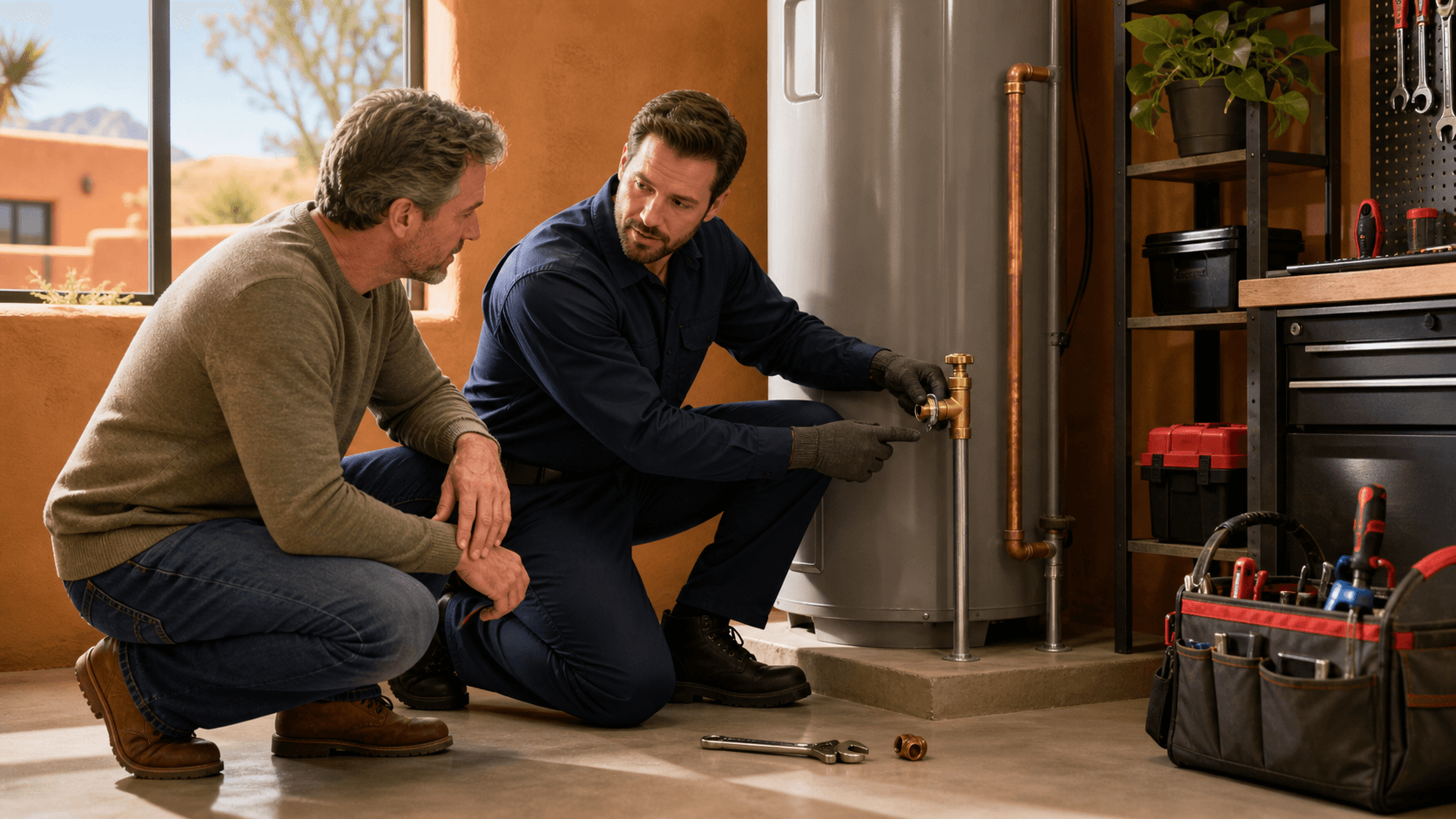
At Perry Mechanical, we live and work in the Albuquerque area, so we understand our local water, weather, and homes. When we look at a water heater, our goal is simple: give you honest advice, clear options, and reliable work that fits your home's needs. Taking care of your water heater now can help you enjoy steady, dependable hot water and fewer surprises as the weather cools.
Restore Reliable Hot Water With Expert Local Help
If your water heater is leaking, making noise, or failing to keep up with your household needs, we can diagnose the problem and get it fixed quickly and correctly. At Perry Mechanical, our licensed technicians specialize in water heater repair in Albuquerque so you can get back to hot showers and dependable comfort. Reach out today to schedule a convenient appointment or ask questions about your system, and we will walk you through your best options. If you prefer, you can also contact us online to get started.